Your Virtual EEG Department that backs up, not replaces, your team. SEE HOW It Works→

Virtual EEG Infrastructure for Academic Medical Centers

Built for Academic Neurology. CortiCare partners with academic medical centers as a Virtual EEG Department—providing remote EEG infrastructure that stabilizes coverage across ICU, EMU, inpatient, and ambulatory care environments.

The Challenge Academic Centers Face With EEG

Academic medical centers carry a dual mandate: deliver exceptional neurological care while sustaining teaching and research missions—often with limited EEG staffing and growing operational pressure.


Academic neurology programs are under increasing pressure to do more—without diluting quality, safety, or mission.

Most academic medical centers struggle with:

Operational strain shows up as uneven EEG availability, delayed clinical decisions, technologist and faculty burnout, and senior clinicians pulled into coverage gaps instead of high-value academic work.

Branden Robinson

VP, Business Development
“AMCs have all the resources necessary to offer epilepsy and seizure management care. CortiCare helps them scale these services without burning out their staff.”

How CortiCare Supports Academic Clinical Operations

CortiCare partners with academic medical centers as a Virtual EEG Department—providing remote EEG infrastructure that stabilizes coverage across ICU, EMU, inpatient, and ambulatory care environments.

A Virtual EEG Department for Academic Care

This model extends existing EEG programs without replacing faculty, fellows, or internal teams, allowing academic neurology departments to scale care delivery without compromising mission.

CortiCare provides:

Faculty oversight remains intact. Governance stays internal. We don’t change how you practice; we stabilize how the system runs.
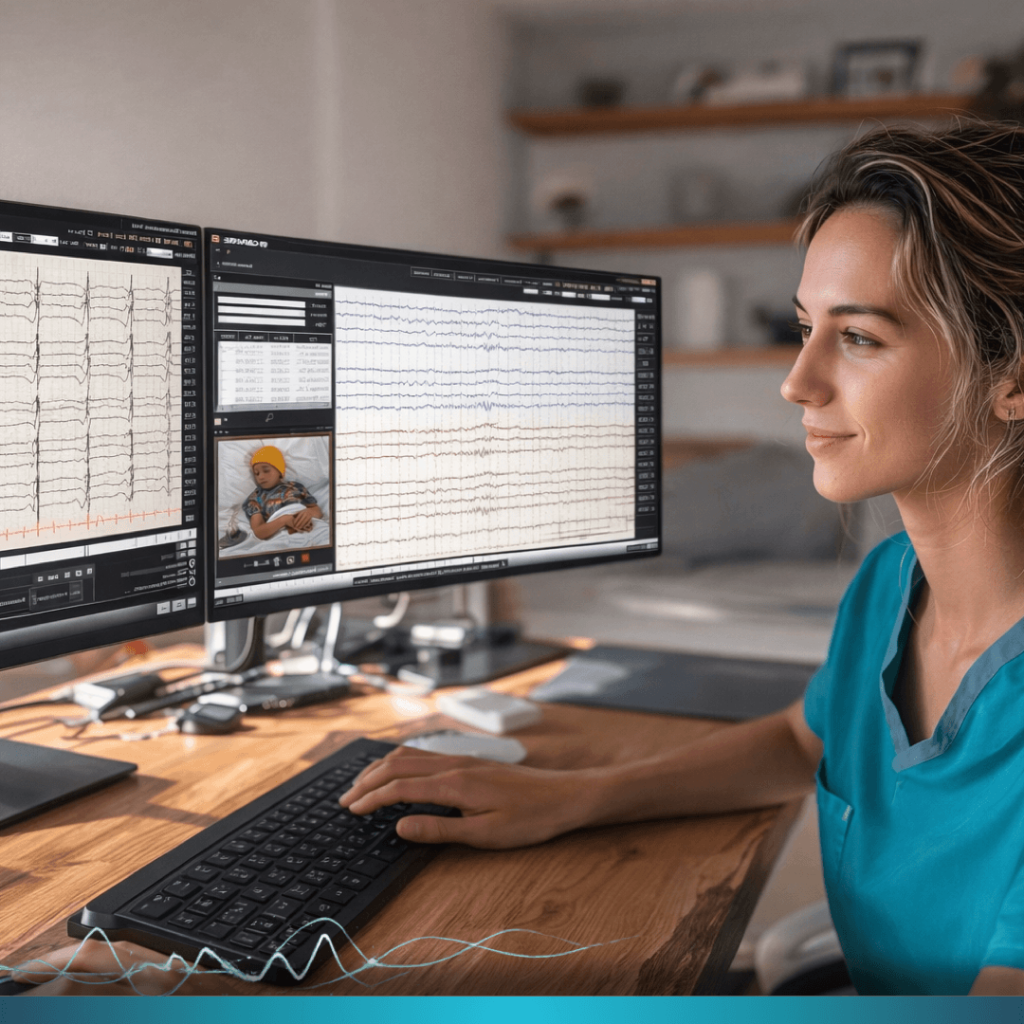
CortiCare Helps You Solve Coverage Gaps,
Without Expanding Headcount

AMCs often have an unfair choice:

CortiCare provides a third option:
Scalable EEG coverage without permanent staffing expansion.
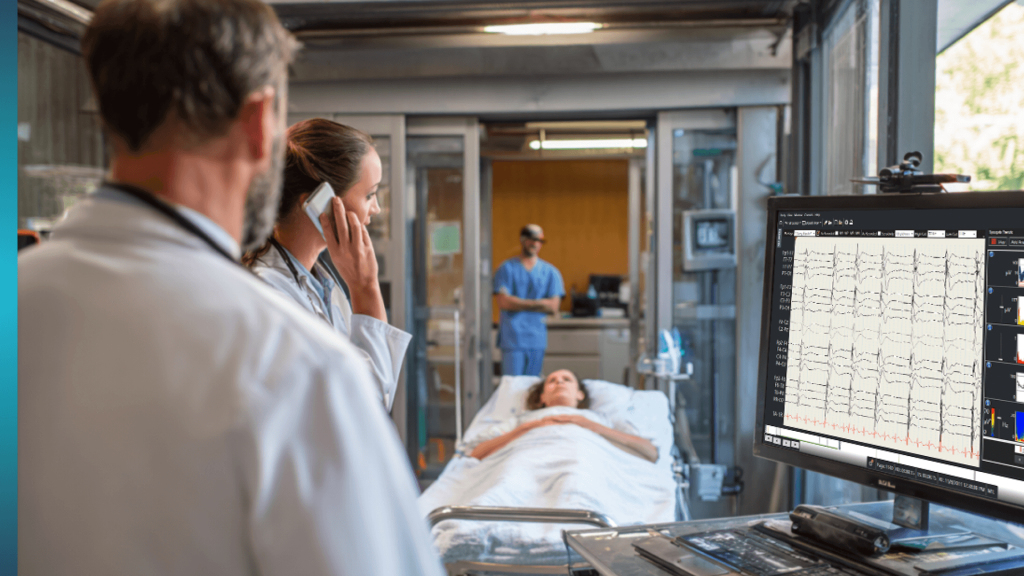
Designed for Academic Integrity

CortiCare is intentionally structured to respect academic priorities:

Clinical EEG Environments
We Support

All services align with your internal protocols, standards of care, and escalation pathways.

Research & Clinical Trials

In addition to clinical EEG operations, many academic medical centers also conduct CNS clinical trials that require EEG expertise, protocol alignment, and data integrity.
CortiCare provides a dedicated EEG support model for academic research and clinical trials, including trial-standardized EEG acquisition and decentralized study support.

Why Academic Medical Centers Choose CortiCare

For academic neurology leaders focused on patient care delivery, CortiCare helps by:
The Outcome:

Reliable EEG access without expanding internal headcount or sacrificing quality.

Next Steps for Academic Clinical Leaders

If your academic program is experiencing EEG coverage strain, staffing challenges, or operational inconsistency, a Virtual EEG Department strategy session can help determine fit—without obligation.

Academic Medical Centers – Clinical Operations

Frequently Asked Questions

What is a Virtual EEG Department?
A Virtual EEG Department is an operational model that extends an academic medical center’s EEG capabilities using external technologists, neurophysiologists, and infrastructure—while clinical governance, protocols, and oversight remain internal.
It is designed to stabilize coverage, improve consistency, and reduce staffing strain without replacing existing programs.
Most academic centers face a combination of limited staffing, uneven coverage outside core hours, rising inpatient demand, and increasing clinician burnout. These challenges are operational, not clinical—and often worsen as programs grow.
Some institutions use flexible staffing models, regional partnerships, or virtual EEG programs to extend coverage without permanently expanding headcount. These approaches focus on infrastructure support rather than workforce replacement.
Coverage gaps most often occur:
Delayed EEG acquisition or interpretation can affect seizure detection, neurologic monitoring, and clinical decision-making—particularly in ICU and neurocritical care environments. Consistent coverage supports timely intervention.
Each environment has different staffing and workflow requirements.